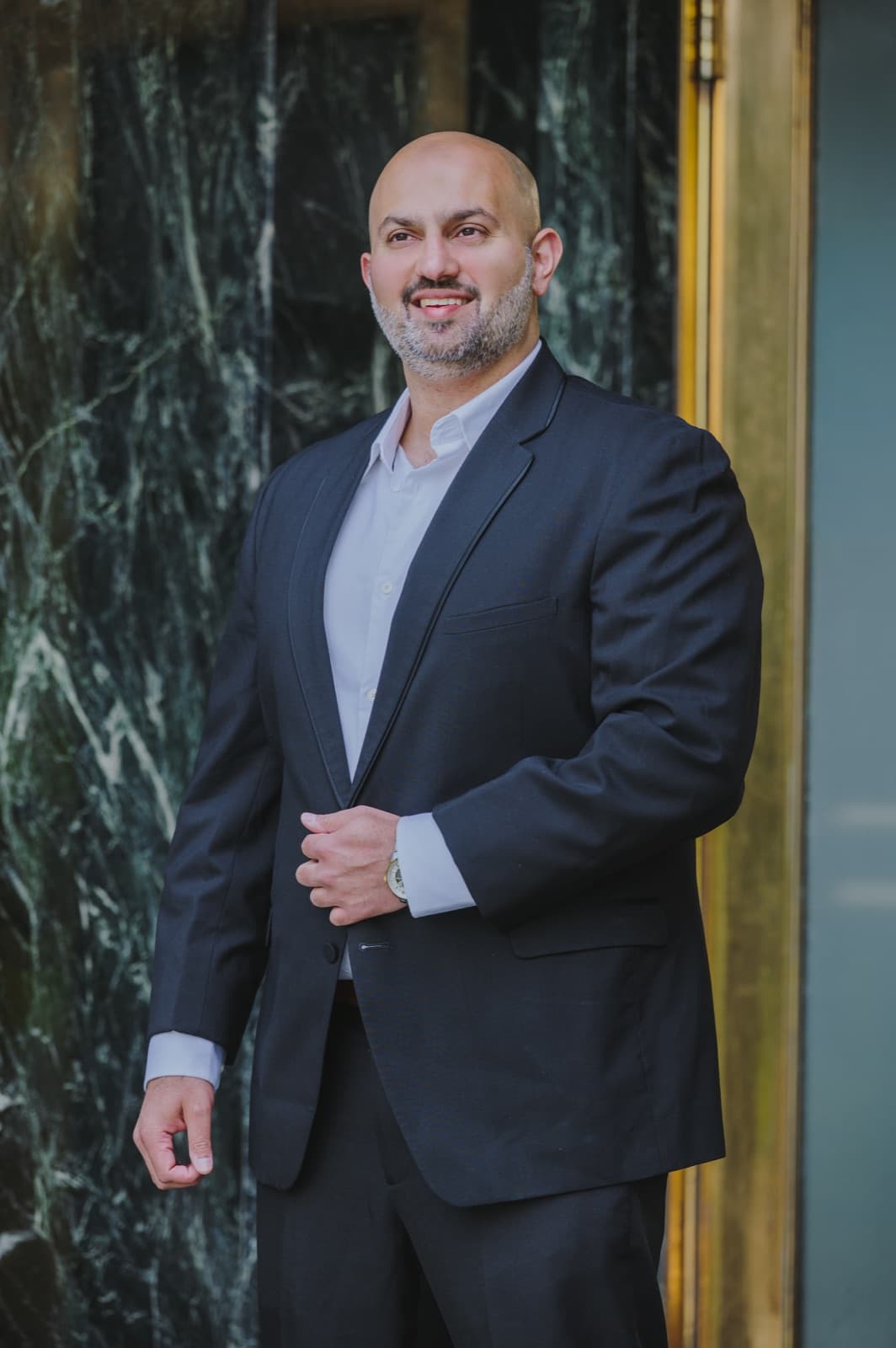
Muhammad Ahmad
Muhammad Ahmad is running for Mayor of Vancouver with Bright Future Vancouver. Their campaign website presents a campaign focused on Transportation and Reconciliation. The published positions supports advocate for extending SkyTrain from Arbutus to UBC; supports The City should review and increase its funding for Indigenous organizations.
Verified positions
Positions supported by public campaign material or another attributable source. These enter the questionnaire comparison without an inference label.
The Transit pillar calls for a ready path for SkyTrain to UBC.
Reconciliation must show in the budget as well.
Yes. I support the right of the Musqueam, Squamish and Tsleil-Waututh Nations to pursue economic development and build long-term prosperity for their communities.
AI-inferred positions
These are transparent estimates drawn from related public material, not statements the candidate made in answer to these exact questions. Each estimate is flagged with its source, confidence, and model reasoning, and is used only where no verified position is available.
Would introduce a 21-day rule under which permits are automatically granted if not decided within 21 days.
Why the model reads it this way: The automatic-approval rule and a target of 2,000 homes approved or in the pipeline strongly indicate support for faster housing approvals.
Would create a permanent affordable rental stream building subsidised, non-market and below-market rental homes.
Why the model reads it this way: Ahmad's housing and culturally safe support commitments suggest support for allowing new supportive housing, though he has not addressed the pause directly.
Supports pre-zoning key neighbourhoods for family-sized, multigenerational, co-op and missing-middle housing.
Why the model reads it this way: Pre-zoning neighbourhoods for more housing points away from requiring every approval to preserve existing scale and character.
Would seek a marginal luxury infrastructure levy on residential assessed value above $5 million, with deferrals for eligible owners.
Why the model reads it this way: Targeted new levies do not clearly settle whether ordinary property-tax increases should resume, so the estimate is mixed.
Would use a luxury-property levy and stronger vacancy-tax enforcement to fund housing and infrastructure.
Why the model reads it this way: Ahmad identifies new targeted revenue but does not state how ordinary annual property-tax increases should relate to inflation, so the estimate is mixed.
The Universal Care pillar calls for a treatment-first crisis response.
Why the model reads it this way: A treatment-first response indicates that Ahmad does not see additional policing as the main route to public safety.
The transit pillar proposes fare relief, faster buses, safer stations and free transit for Vancouver residents.
Why the model reads it this way: Ahmad prioritizes non-car affordability and transit access, which weakly points away from subsidizing parking, but he does not address parking meters.
Pure Vancouver directs protected revenue to public infrastructure and neighbourhood resilience.
Why the model reads it this way: His environmental and neighbourhood-resilience commitments suggest support for a stronger canopy strategy, though trees are not specifically named.
The Local Economy pillar proposes a 21-day permit rule before covered permits are automatically granted.
Why the model reads it this way: The 21-day rule and commitment to lower business and building costs directly indicate support for simpler permitting and regulation.
The Blueprint sets out parks and service priorities without taking a recorded position on Park Board governance.
Why the model reads it this way: The source does not indicate whether parks should remain under an elected Park Board, so the estimate is mixed.
Would protect revenue for infrastructure, intergenerational community hubs and neighbourhood resilience.
Why the model reads it this way: Ahmad proposes dedicated funding for public infrastructure and community hubs, indicating support for more capital investment without specifying a parks-and-recreation total.
The Universal Care pillar includes accessible civic spaces and the plan funds neighbourhood infrastructure.
Why the model reads it this way: Accessible public-space and infrastructure commitments make more washrooms plausible, but the Blueprint does not specifically promise them.